
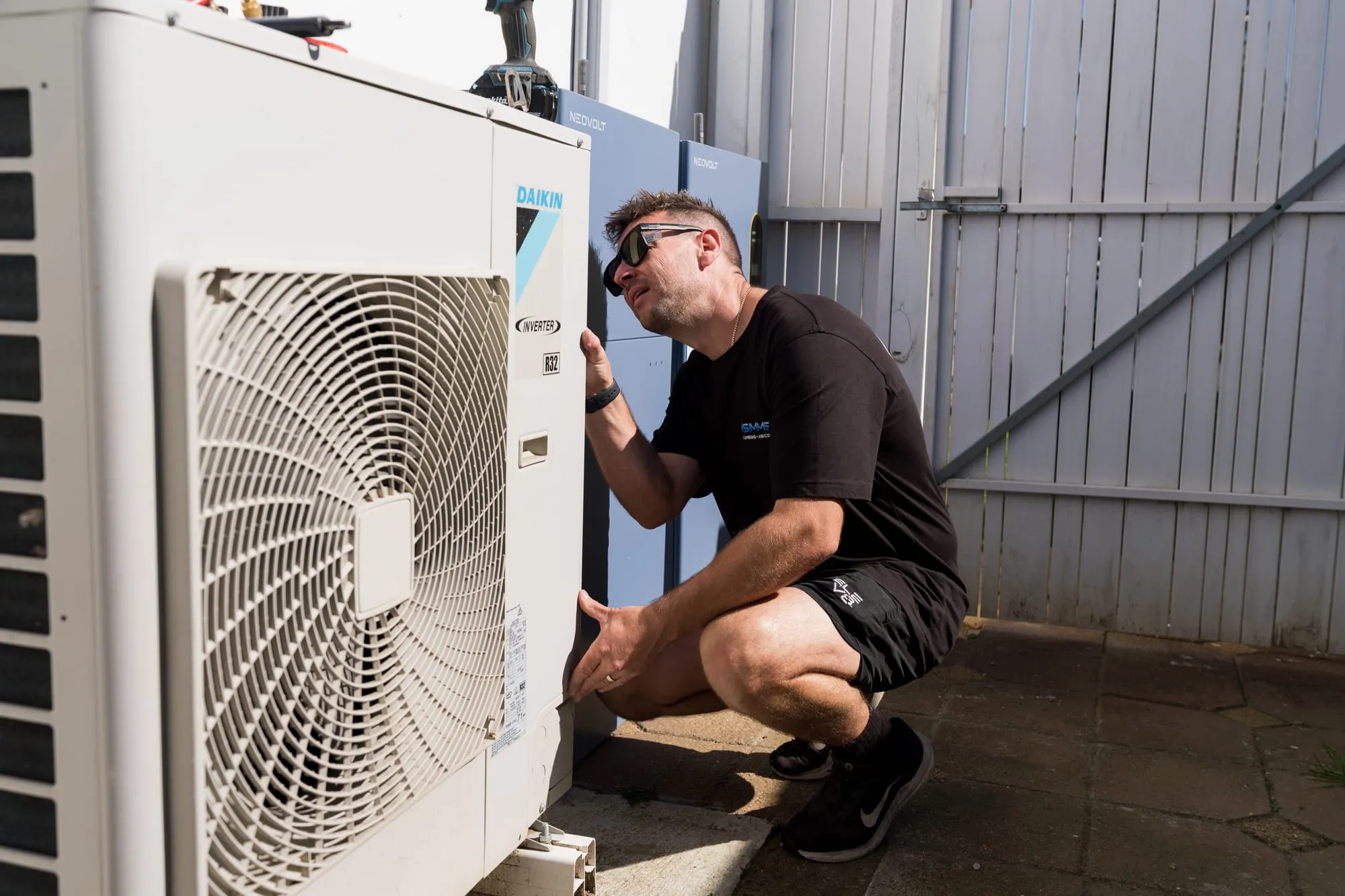
When you first notice your air conditioner leaking water inside, it can be frustrating and confusing. A water leak can seem minor, but it often points to an underlying problem inside the unit that needs attention. Understanding why it happens helps you respond safely and prevent damage around your home.
A leaking air conditioner usually means something has interrupted the normal drainage process. Even a small leak can cause internal moisture damage or mildew. Recognising the warning signs early helps you avoid bigger issues and unnecessary repair costs. This guide explains the causes of indoor leaks, what they mean for your system, how to manage the problem safely, and how a licensed professional can help.
What It Means When Your Air Conditioner Starts Leaking Indoors
When your air conditioner is leaking water inside, it usually indicates a drainage or airflow issue that prevents condensation from exiting correctly. This section explains why indoor leaks occur, the risks they create, and how to identify early warning signs before they lead to significant damage in your home:
Early Signs Your AC Is Leaking Indoors
Small changes often appear before water becomes visible. You may notice a musty smell, uneven cooling, or slight moisture on the front grille. Some homeowners spot droplets forming on the casing or hear occasional dripping sounds. These signs suggest developing issues that need attention before the leak becomes larger or causes damage to surrounding surfaces.
Why Indoor AC Leaks Should Never Be Ignored
Even a minor leak can cause mould growth, stained walls, or hidden water damage. Moisture near electrical components also increases the risk of short circuits. When you see your ac unit leaking water inside, the safest option is to investigate quickly. Indoor moisture problems worsen with time, especially during humid periods or periods of heavy system use.
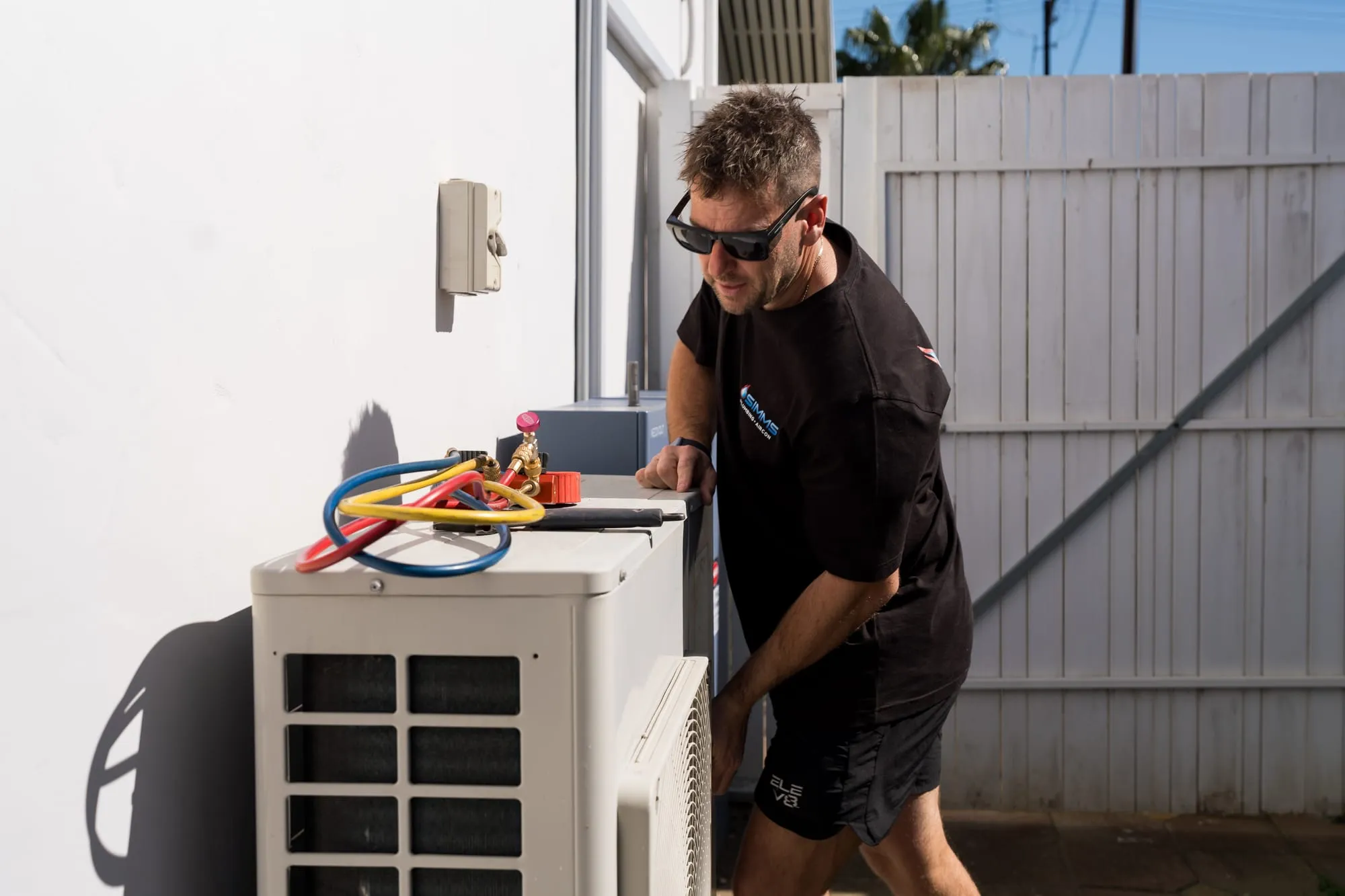
Common Causes of Water Leaks Inside Your Air Conditioner
Indoor water leaks usually begin with drainage issues, airflow restrictions, or problems with internal components. Understanding these common causes helps you diagnose the issue early and protect your home from moisture damage. This section looks at the reasons indoor leaks occur and how each one affects your system:
A Blocked Condensate Drain Line
The drain line can become clogged with dirt, dust, or organic buildup, stopping water from exiting properly. When the line blocks, condensation backs up into the tray and spills inside the home. Australian humidity increases the likelihood of blockages forming in this part of the system.
A Dirty or Clogged Air Filter
A dirty filter restricts airflow, causing the evaporator coil to become too cold and freeze. When the ice melts, water can escape in unpredictable ways. This is one of the most common reasons homeowners suddenly find their ac leaking water inside during peak summer conditions.
Frozen Evaporator Coils Melting Too Quickly
Coils freeze when airflow is poor or refrigerant levels are low. Once the system warms up, the melted ice creates more water than the tray can manage. This often leads to dampness around the front of the indoor unit or slow drips onto the floor beneath it.
A Damaged Drain Pan or Overflowing Tray
Older systems may have a rusted or cracked drain pan. When the pan cannot hold the condensed water, it spills inside the home. This type of leak is often steady and increases during long cooling cycles or humid weather conditions.
Poor Installation or Incorrect Unit Positioning
Indoor units must be level to allow water to flow toward the drain. If a system is installed unevenly or shifts over time, water may pool on the wrong side of the tray. This can easily lead to your aircon leaking water inside even when the components are otherwise working normally.
Issues Specific to Split Systems in Australian Homes
Split systems often leak due to blocked drain pipes or heavy moisture production in humid climates. When you notice water dripping from split ac indoor unit, it typically means the drain pipe is obstructed or the indoor coil is producing more moisture than the tray can handle.
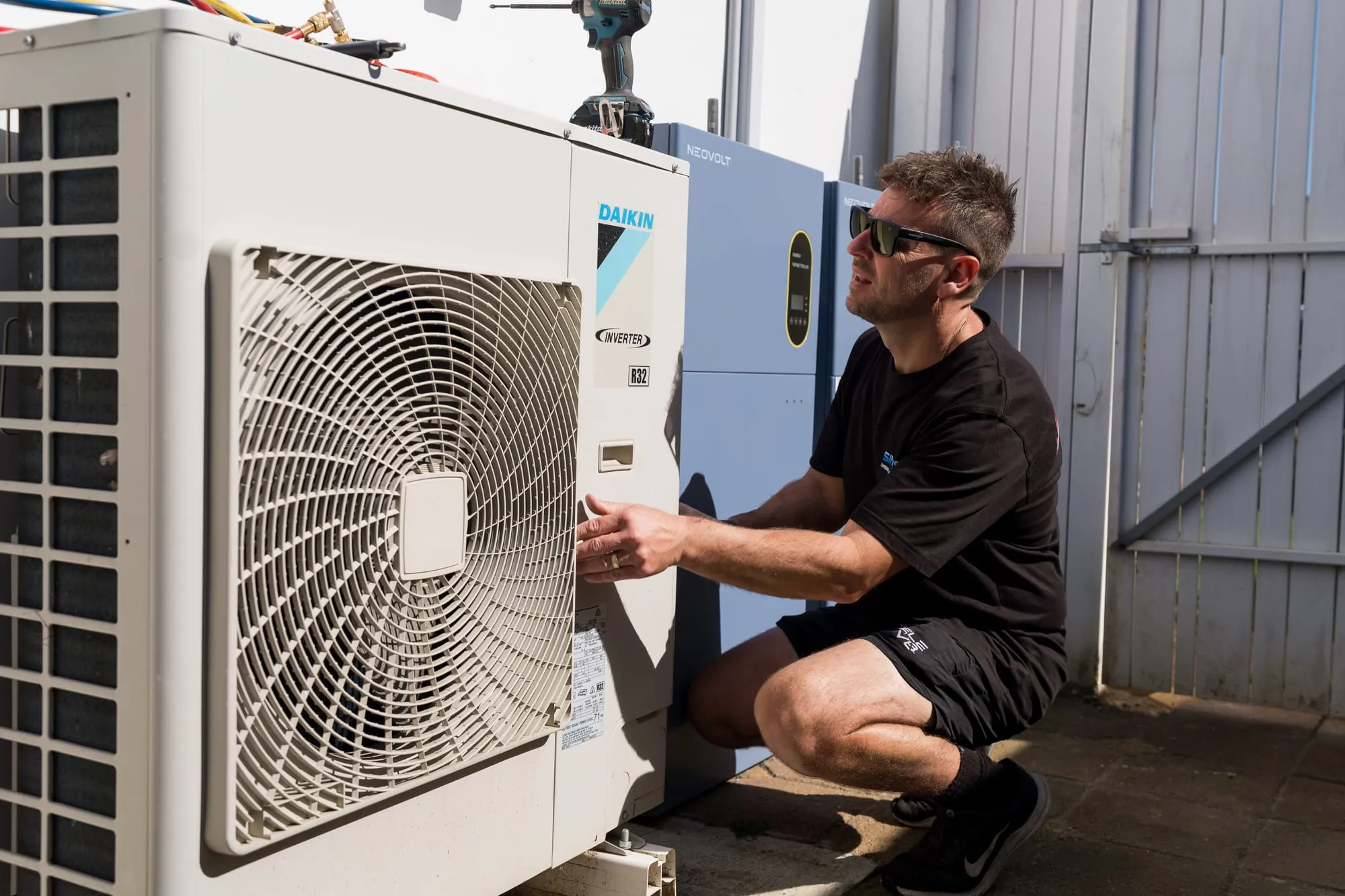
How to Fix Minor Indoor AC Leaks Safely at Home
Some indoor leaks can be managed with simple checks at home if the system is still cooling and the leak is small. This section covers safe steps you can take to identify the cause, remove simple blockages, and prevent further water damage before seeking professional help from a licensed technician:
Check and Clean the Air Filter
A dirty filter often leads to restricted airflow and excess condensation. Remove the filter and inspect it for dust or clogging. If it looks dirty, wash it gently and let it dry completely before reinstalling. Keeping the filter clean reduces the chance of your system becoming an indoor ac unit leaking water during heavy summer use.
Inspect the Drain Line for Obvious Blockages
Look for visible kinks or blockages in the drain pipe behind the indoor unit. Light buildup can sometimes be cleared by gently removing debris from the end of the pipe outdoors. If the drain line is completely blocked, water may remain inside the unit. This can quickly lead to ac dripping water inside during long cooling cycles.
Check the Indoor Unit for Condensation or Ice Build Up
If the coil inside the unit has ice forming on it, allow the system to defrost naturally before turning it back on. Ice cause leaks when it melts too quickly for the tray to manage. If you see repeated freezing, it may indicate a deeper issue that is not safe to fix at home.
When DIY Checks Stop Being Safe
Stop troubleshooting if you notice electrical smells, heavy dripping, or water on the wall. These signs suggest your air conditioner is leaking water inside the house in a way that requires professional attention. Water around electrical parts presents risks that should be handled only by a licensed technician.
How to Prevent Water Leaks From Returning
Preventing leaks is easier than dealing with the damage they cause. Simple maintenance steps help your system drain properly, stay clean, and operate safely. This section explains how to reduce moisture buildup and maintain good airflow so your system remains reliable through hot and humid Australian summers:
Schedule Regular Air Conditioner Cleaning
A professional cleaning service removes deep dirt, mould, and built up debris inside the coil and tray. Regular cleaning reduces the chance of your air conditioner leaking water inside again during high humidity periods.
Keep Filters Clean and Replace Them When Needed
Cleaning or replacing your filter regularly supports strong airflow and reduces strain on the evaporator coil. When filters stay clean, condensation is managed properly and less likely to spill inside your home. This step greatly reduces the chances of a recurring air conditioner leaking water inside house problem.
Ensure Correct AC Installation and Unit Positioning
Units must be level so condensation flows naturally toward the drain. An uneven system causes water to pool in the wrong parts of the tray. If your unit has shifted, a technician can reposition it to restore the correct angle and prevent repeated leaks inside the home.
Consider Annual Professional Maintenance
A yearly service ensures the drain line, tray, coils, and components stay clean and functional. Regular inspections also prevent small issues from growing into bigger problems. You can read more about safety expectations under Standards Australia AS/NZS 5149.
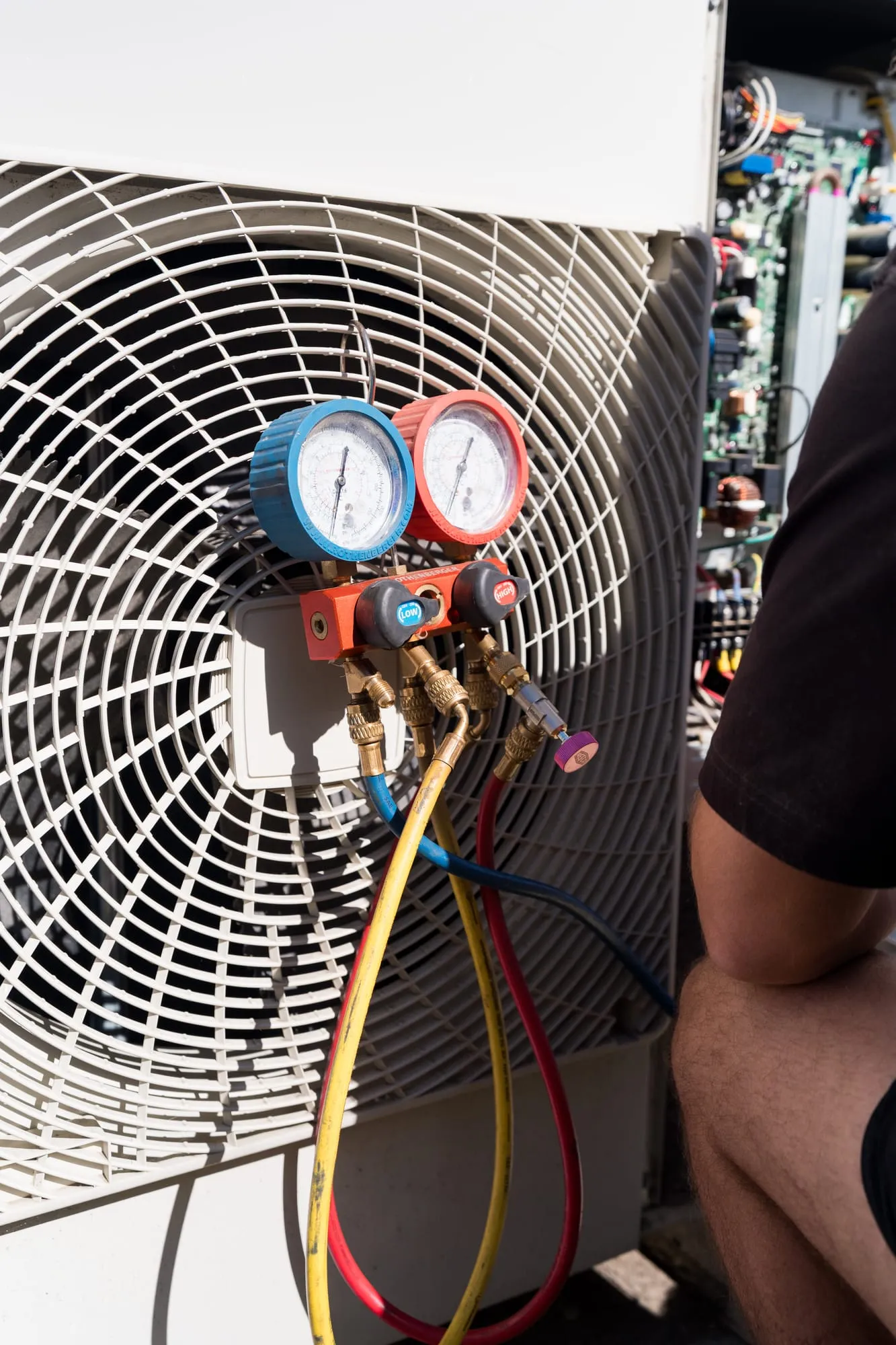
When to Call a Licensed Technician for Indoor AC Water Leaks
It is time to call a professional if leaks continue after basic maintenance or if water appears suddenly and in large amounts. You should also seek help when your system stops cooling, makes unusual sounds, or produces electrical smells. A leak combined with weak airflow often indicates blocked drainage or refrigerant problems. Repeated leaks may also point to internal corrosion or structural damage.
When you see your aircon leaking water inside more than once, a technician can diagnose the issue properly using specialised tools. A professional can also check for mould or hidden water damage behind the wall, which is common when indoor leaks have been happening for longer than expected.
Contact Simms Plumbing & Air Conditioning
Indoor leaks are almost always a sign that your system is struggling with drainage or moisture control. Staying aware of the early signs and understanding why leaks happen helps you act quickly and safely. When your home shows signs of an air conditioner leaking water inside, small checks can help, but persistent problems require expert support. Early action protects your home from moisture damage and keeps your air conditioner running efficiently.
If you notice your air conditioner leaking water inside or any signs of moisture around your system, our licensed technicians are ready to help. We repair leaks, clean drain lines, restore proper airflow, and keep your system running safely. For fast assistance across Adelaide, contact Simms Plumbing & Air Conditioning on 0420 104 118 for expert air conditioning repairs and maintenance you can rely on.