
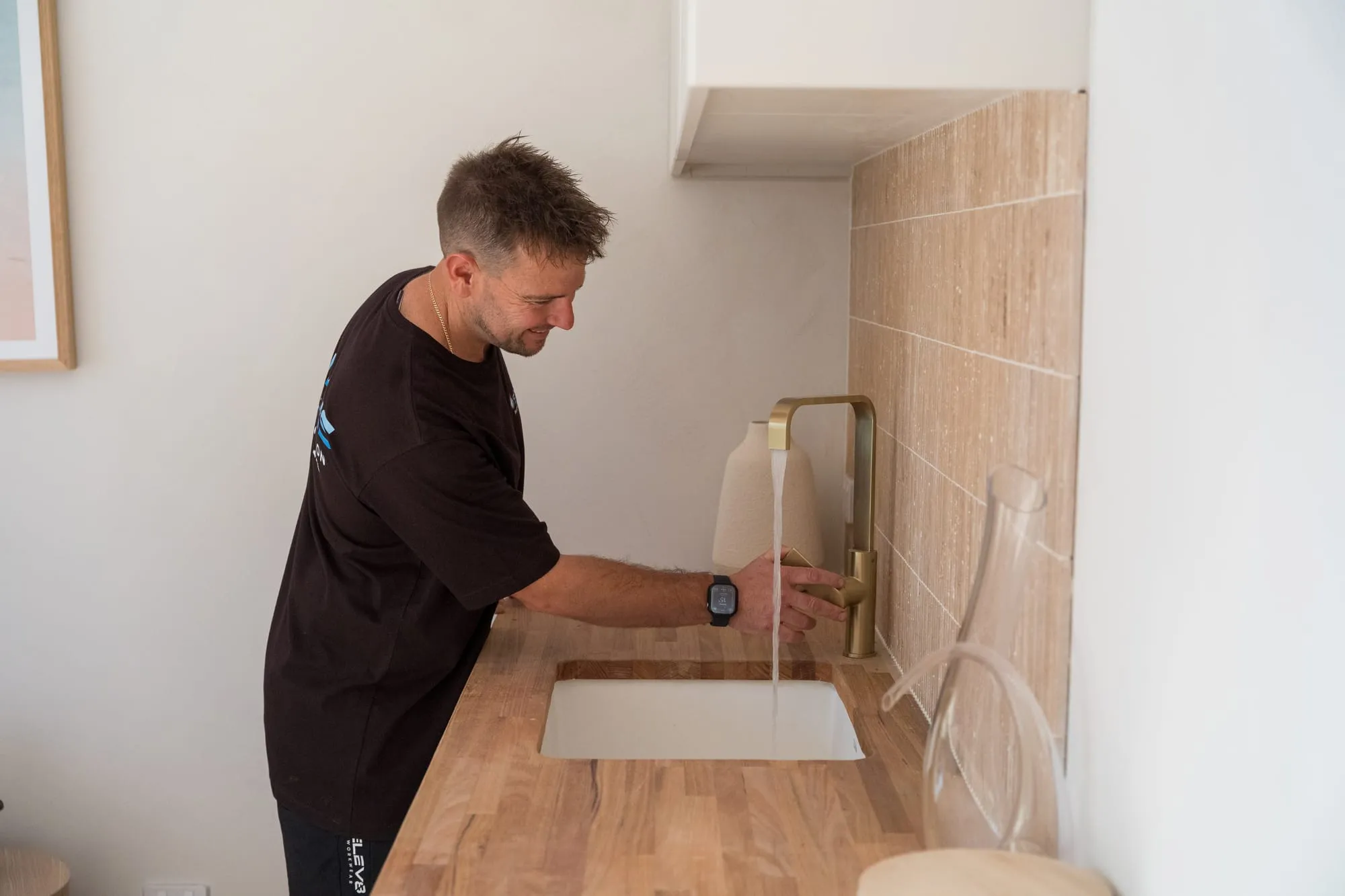
A dripping tap may seem like a minor irritation, but left unchecked, it can cost you money, cause water damage, and even lead to bigger plumbing problems down the line. Here’s what you need to know, and what to do if it happens at your home.
💧 The Hidden Costs of a Drip
- Water waste = higher bills. A slow but steady drip can waste litres of water every day. Over time, that adds up on your water bill, and for a household, the waste could easily be hundreds of litres a month.
- Risk of leaks and damage. Sometimes a dripping tap is a sign of worn washers or seals. If ignored, the internal corrosion or leak might spread, leading to bigger repairs (or even damage to sinks, cabinets, walls).
- Noise & annoyance. That constant drip-drip-drip can be more than irritating: it can make it hard to sleep if the tap is near a bedroom or make your home feel less comfortable.
🛠️ What You Can Do, Fast
- Turn off the water supply. If the tap drip is bad, shut off the local shut-off valve under your sink (or the mains, if needed).
- Inspect or call a plumber. A simple washer replacement might fix the problem. But if the tap is old or there’s corrosion, it’s better to get a licensed plumber to evaluate (especially if you’re also experiencing reduced water pressure or leaks elsewhere).
- Consider upgrading fixtures. Modern taps often have better seals and valves, so they are less likely to leak. Upgrading can save water (and money) long-term.